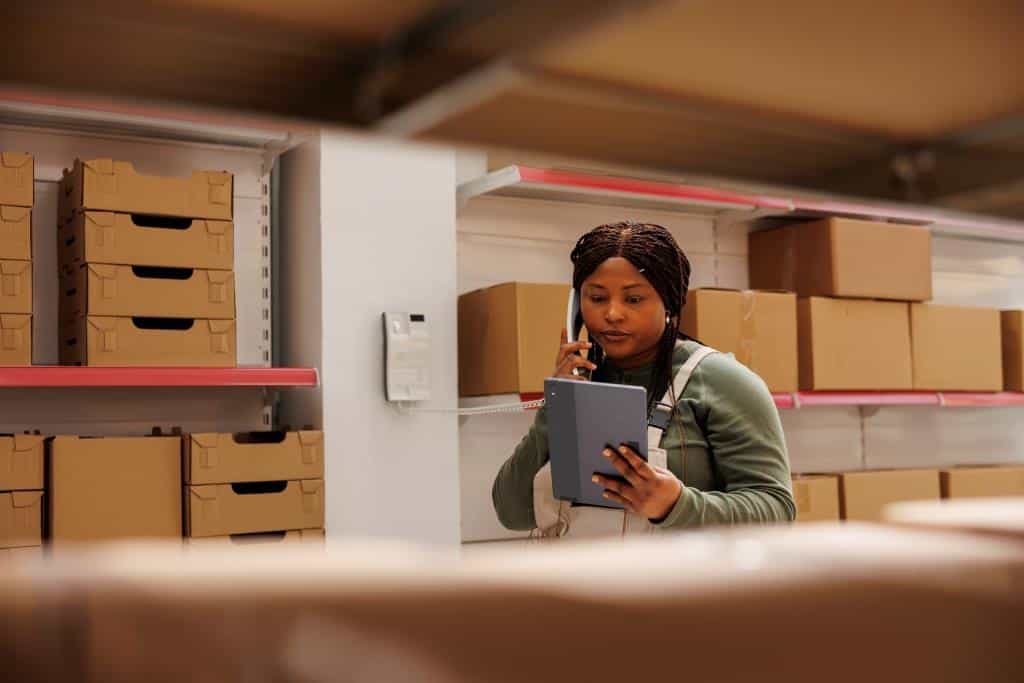
In today’s market, small shops find themselves in an enviable yet challenging position. On the one hand, modern consumers value proximity, curated products, and personalized service. On the other hand, competition from large digital platforms and multinational chains forces small businesses to be extremely efficient. It’s no longer just about “opening the doors and waiting”; it’s about designing an experience that turns visitors into fans and managing internal processes so that not a single penny of profit is lost.

Below, we break down the critical areas that every store owner must master to grow sustainably.
Space Design as a Sales Driver
Many store owners view store design as merely aesthetic, but it’s actually a psychological sales tool. Visual merchandising is the language your store uses to communicate with customers without words.
To begin, let’s talk about the decompression zone. This is the space just inside the entrance, where customers adjust to the lighting, scent, and temperature of your store. Never place key products in this area, as customers will simply walk past them while they acclimate. Let them walk a few steps before presenting your star offer.
A fundamental concept is visual hierarchy. The human eye tires of flat shelves. You must create levels: use wooden blocks, boxes, or pedestals to give products different heights. This forces the eye to move and discover more items. Additionally, apply the technique of grouping by color or use. If you sell kitchenware, group everything needed to make coffee in one corner; the customer who came in for a cup will end up buying the filter and coffee beans as well, simply because you made it easy for them.
Inventory Management: The Heart of Efficiency
Inventory is, quite literally, your money in the form of merchandise. A small business can’t afford to have “dead stock.” Every square inch of your shelf space must pay emotional and financial rent.
Efficiency here starts with rigorous control. Even if you don’t use a spreadsheet, you need a system that tells you, at the end of each week, what has sold best and what hasn’t moved in over a month. The most common mistake is becoming attached to a product that isn’t selling. If an item isn’t moving, it’s taking up space that could be generating profit. Don’t be afraid to offer discounts to get rid of excess inventory. It’s better to recoup the cost and reinvest it in new merchandise than to have a shelf full of products no one wants.
On the other hand, inventory rotation keeps the store “alive.” Regular customers stop coming if they always see the same things in the same place. Move products around. Change the mannequin or the main shelf every ten days. That simple rotation creates the illusion of novelty and stimulates the curiosity of frequent shoppers.
Customer Psychology and Personalized Service
The great advantage of small businesses is the human connection. In a world automated by algorithms, the fact that someone calls you by name or remembers your preferences is a luxury.
Customer service must evolve into consultation. Your employees (or you yourself) shouldn’t be mere dispatchers, but experts. If a customer comes in looking for a solution, don’t sell them the most expensive product; sell them the one they truly need. This honesty builds loyalty that no marketing campaign can buy. A satisfied customer will return and, more importantly, will recommend you.
Furthermore, it’s vital to implement a loyalty program that doesn’t feel like a burden. Forget lengthy forms. Something as simple as keeping track of your customers’ birthdays to send them a congratulatory message with a small perk can make all the difference. The goal is for the customer to feel like they belong to a community, not just another transaction in your bank account.
Smart and Uncomplicated Digitization
You don’t need to be a tech expert to make your store modern. Digital efficiency is about using the tools your customers already use.
WhatsApp Business is arguably the most underutilized tool. Don’t just use it to answer questions; use it to sell. Create WhatsApp Status updates showcasing new arrivals or demonstrating how your products work. It’s a direct and free way to reach your customers’ phones without being intrusive.
Likewise, your Google presence is essential. Most in-store purchases today begin with a mobile search: “store of [your industry] near me.” If your business profile has attractive photos, up-to-date hours, and good reviews, you’ve already won half the sale. Actively ask your best customers to leave you a Google review; social proof is the most influential factor in a new customer’s decision.
Operations and Invisible Cost Reduction
Efficiency also means looking inward and seeing where money is going. Often, small, accumulated expenses erode profit margins.
Review your service contracts regularly: from the fees your bank charges for the card reader to the cost of your energy providers. Also, optimize your opening hours. If you analyze your sales and notice that there’s hardly any activity during the first two hours of the morning, it might be more efficient to open later and close a little later, or use those downtime hours to manage online orders and organize the warehouse.
Staff training is another investment in efficiency. One employee who knows how to use the checkout system effectively, has a thorough understanding of the inventory, and knows how to close a sale is far more profitable than three unmotivated employees. A small but highly trained team is a retailer’s most valuable asset.
Closing the Sale and After-Sales Service
The sales process doesn’t end when the customer pays. Effective closing means the customer leaves with a smile and the feeling of having made a good investment.
Ensure a smooth checkout process. Long lines or constantly malfunctioning payment systems create anxiety for shoppers, which can lead to purchase regret. Always offer digital receipts if possible; in addition to saving paper, it’s an excellent way to collect customer email addresses for future marketing communications.
Finally, after-sales service is where you secure the next visit. A simple “How was your purchase?” sent a few days later can open the door to a new sale or, at the very least, reinforce your brand’s image as responsible and attentive.
Improving a small store is a marathon, not a sprint. Don’t try to implement all these changes in a single day. Start by organizing your inventory, then improve the visual arrangement of your products, and finally strengthen your digital communication.
The key to success in independent retail in 2026 is combining cool, professional internal management with warm, passionate customer service. If you can streamline your store’s processes, you’ll have more time and resources to focus on what truly matters: creating a unique experience that no one else can replicate.