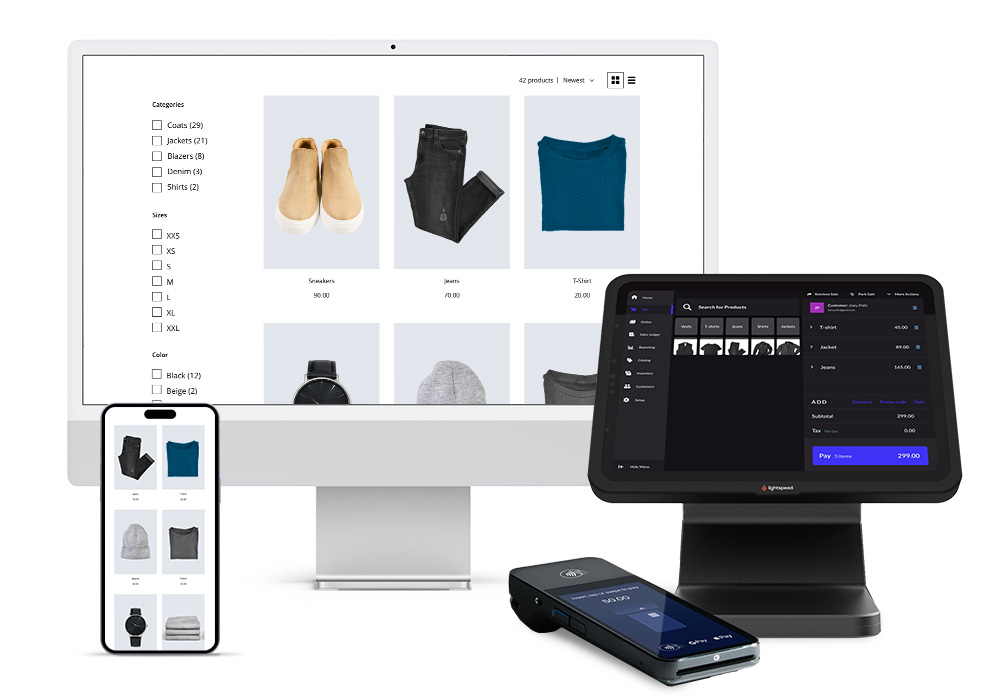
Imagine arriving at your business on a Monday and discovering that some products you thought were available are already sold out, while others are taking up unnecessary space. This type of problem occurs when there’s no reliable inventory control. The good news is that today, thanks to free inventory management solutions , even small businesses can keep their products organized, up-to-date, and ready for sale.

In this article, we’ll explore practical strategies, free tools, and innovative methods to ensure your inventory is always accurate and reliable , without repeating the designs or approaches of previous articles.
1. Start with a clear initial inventory
Before using any software, it is vital to have an initial physical inventory of all products. This includes:
-
Quantity of each item
-
Location within the warehouse or store
-
Product condition (new, on sale, damaged)
An accurate initial inventory serves as the foundation for any free solution used afterward. Without this foundation, even the best software cannot maintain accuracy.
2. Free solutions that actually work
There are several types of free solutions that can be adapted to different types of businesses:
Cloud applications
Platforms like inFlow Cloud (free version) or Zoho Inventory Free allow you to update your inventory in real time, from any device with an internet connection.
Lightweight mobile apps
Applications like Stock and Inventory Simple allow you to scan products with your phone, quickly register entries and exits, and keep data synchronized.
Smart spreadsheets
Google Sheets or Excel can be configured with formulas and automatic alerts to keep inventory up to date. While not specialized software, they work very well for small businesses.
3. Methods for maintaining daily accuracy
Even with software, accuracy depends on consistent habits. Some helpful methods:
-
Immediate registration: The system is updated every time a product enters or leaves.
-
Clear labeling: Use codes, colors, or QR codes to quickly identify products.
-
Weekly cross-check: Compare physical inventory with digital records to detect errors.
Implementing these habits ensures that the inventory reflects the reality of the business.
4. Alerts and automations
Modern free solutions offer automatic alerts to prevent stock errors:
-
Notification when a product reaches minimum stock.
-
Weekly review reminders
-
Alerts for inactive or slow-moving products
These features help maintain control without the need for constant supervision.
5. Integration with sales and orders
One of the most common problems is that inventory doesn’t reflect real-time sales. Some free solutions allow you to integrate:
-
Online stores: Each sale automatically reduces stock.
-
Physical points of sale: Instant synchronization with the database
-
Pending orders: Automatic update of reserved products
This eliminates duplication of work and manual errors.
6. Analyzing data to improve decisions
Keeping inventory up-to-date involves more than just recording quantities; it also means analyzing the information to optimize your business . Some best practices include:
-
Review which products sell the most and which sell the least.
-
Detect seasonal trends
-
Plan purchases based on actual turnover
-
Optimize warehouse or store space
Even a free system allows these analyses if used correctly.
7. Physical and digital organization tips
To complement the free software:
-
Warehouse zoning: Divide products into sections according to category or sales frequency.
-
Visible labels: Using labels with colors or codes facilitates quick identification.
-
Digital documentation: Keep all reports in the cloud to avoid relying on physical sheets.
This combination of physical and digital organization ensures greater accuracy and efficiency.
8. Common mistakes and how to avoid them
-
Checking in/out late: Maintain daily discipline.
-
Ignore damaged or returned products: Register them to avoid inflating the actual stock.
-
Do not update categories: Changes to products must be reflected in the system.
-
Lack of audits: Periodic reviews are essential to detect inconsistencies.
9. Benefits of maintaining an accurate and up-to-date inventory
-
Reduction of losses and waste
-
Better shopping and budgeting planning
-
Increased staff productivity
-
Better customer service : more available products and faster deliveries
-
Solid foundation for future growth : free systems can be adapted before moving to paid options
Maintaining accurate and up-to-date inventory doesn’t require expensive or complicated solutions. Free solutions , combined with good practices, physical organization, and smart data analysis, allow any business to:
-
Avoid stock errors
-
Optimize space and resources
-
Improve productivity and customer satisfaction
-
Make decisions based on real data
The secret lies in discipline and choosing the tool that best suits your business, without relying on recycled articles or approaches. With the right approach, even free software can deliver professional and reliable results.