Implementing management software (or an ERP for retailers) is often seen as the end of a digitization process, when in reality it’s just the beginning. Many business owners make the mistake of acquiring powerful tools only to use them as simple sales calculators. For a store to be truly competitive in 2026, it’s essential to leverage every feature of the system, transforming raw data into strategic decisions that drive growth.
Mastering management software isn’t about technology, it’s about mindset. It’s about moving from intuitive management to evidence-based management. Below, we explore the key strategies to transform your software into the engine of your business’s profitability.
1. Full Integration Prevents Information Islands
The first step to leveraging a management program is ensuring it’s the “single source of truth.” A common mistake is managing accounting in one program, inventory in another, and sales in a third that don’t communicate with each other.
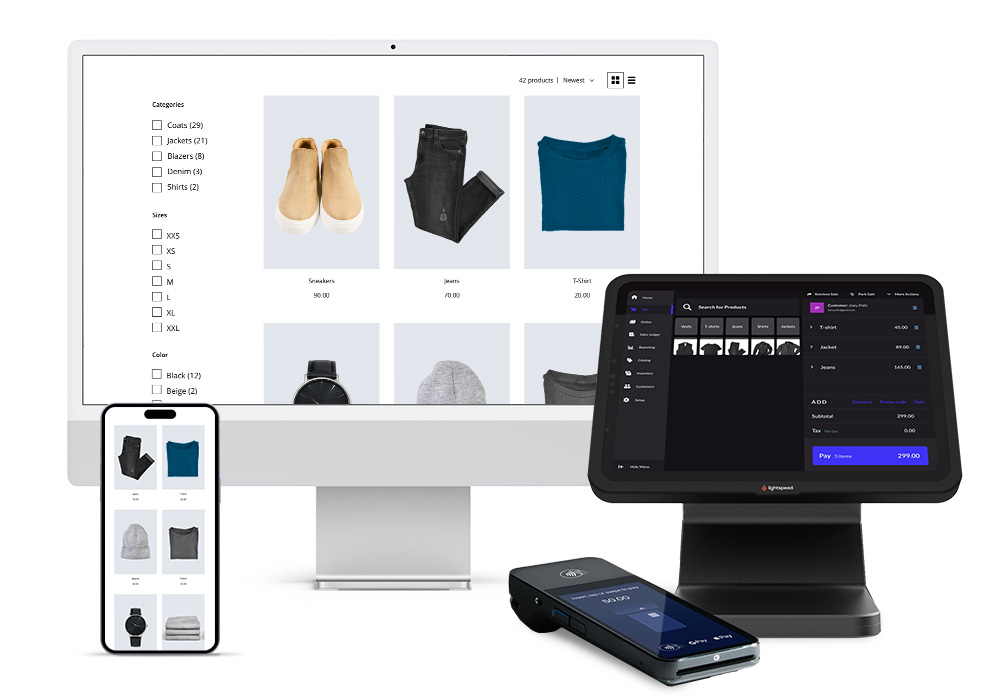
True power emerges when your Point of Sale (POS) system is connected in real time to your warehouse and online store. This integration eliminates duplicate tasks and data entry errors. If a customer buys an item in your physical store, the stock on your website must be updated instantly. By eliminating data discrepancies, you reduce operational stress and ensure you’re always providing accurate information to your customers.
2. Leveraging Analytics and Automated Reports
Most management software offers hundreds of reports, but the secret is knowing which ones to look at. To get the most out of them, you should set up a custom dashboard that shows you the key performance indicators (KPIs) every morning.
Don’t just look at total sales. Analyze profit margins by category, average order value, and, most importantly, inventory turnover. A good inventory management system can tell you not only what you sold, but also which products are taking up valuable space without generating revenue. Learning to read these reports allows you to anticipate trends: if the system detects that a product’s sales have increased by 20% each week, you can place a larger order before the stock runs out.
3. Inventory Optimization through Intelligent Replenishment
Store management software reaches its full potential when it can manage the product lifecycle. Many systems feature automatic reorder points. This means the program calculates, based on your sales volume and supplier lead times, exactly when you need to order more merchandise.
To take advantage of this, it’s vital to feed the system accurate data. If you dedicate time to configuring minimum and maximum stock levels for each item, the program will work for you, eliminating impulse purchases and stockouts. This frees up cash flow that was previously tied up in unnecessary products and ensures that the company’s money is invested in what actually sells.
4. CRM Personalization for Real Loyalty
The Customer Relationship Management (CRM) module is often the least used part of management software. Getting the most out of it means going beyond simply storing a name and phone number. You should use the system to track purchasing habits.
If your software allows you to tag customers or view their history, you can create highly targeted marketing campaigns. For example, you can generate a list of customers who haven’t purchased in the last 60 days but who used to spend a significant amount, and send them an automated incentive. By personalizing the customer experience based on system data, you move beyond generic sales and begin building long-term relationships that are far more profitable.
5. Continuing Education and Use of Updates
The software you bought two years ago is likely very different from what you have today due to cloud updates. One of the best ways to optimize its use is to stay up-to-date. Software developers typically release efficiency improvements, new paid integrations, or AI tools every few months.
Set aside time each month to review update notes or watch tutorials from the vendor. You’ll often find that a task that used to take an hour can now be done in a single click thanks to a new feature. Also, make sure all your staff are proficient in using the software. A team that’s comfortable with the tool makes fewer mistakes at the checkout and can better advise customers by having quick access to stock and pricing information.
6. Data Security and Cleansing
A management program is only as good as the data you input into it. For the system to be useful, you must maintain strict “data hygiene.” This includes avoiding duplicates in the customer database and ensuring that product descriptions are consistent.
Furthermore, maximizing performance means protecting information. Configure different access levels for your employees: a cashier doesn’t need to see profit margins or supplier costs, but they do need quick access to product searches. Use security features to audit unusual activity, such as ticket cancellations or excessive discounts. A well-configured system not only helps with sales but also acts as a safeguard against internal losses.
7. Automation of Tedious Administrative Tasks
Ultimately, the biggest benefit of these programs is the time saved. Use the export and integration features to make your accounting almost automatic. Many programs can send tax reports directly to your accountant or integrate with your bank to perform bank reconciliations in seconds.
When you stop spending hours typing data into a spreadsheet and let the system do the heavy lifting, you can go back to being a “business owner.” The time you reclaim is the clearest return on investment of any management software. Use it to find new suppliers, improve your store’s design, or connect with your customers.
Getting the most out of a store management program requires an initial commitment to setup and ongoing analysis. However, once the system is optimized, it becomes a silent, 24/7 ally.
Technology doesn’t replace a business owner’s sound judgment, but it provides the clarity needed to base that judgment on facts rather than assumptions. By integrating your processes, automating your orders, and gaining a deep understanding of your customers through software, you’ll be giving your small shop a technological edge that will ensure its long-term success.