Running a convenience store can be a daily challenge: products suddenly running out, long checkout lines, and billing errors can all impact sales and the customer experience. Fortunately, modern software allows you to organize all these areas efficiently, even without significant investment.

In this article, we’ll explore how to use digital tools to make your minimarket run smoothly, optimizing inventory, sales, and customer service in a practical and realistic way.
1. Understanding the challenges of the minimarket
Before implementing any software, it is important to understand the problems that small businesses face:
-
Inventory can quickly become disorganized if accurate records are not kept.
-
Errors in sales, such as duplicate charges or lack of stock updates, generate losses.
-
Without reliable reports, planning purchases and promotions becomes complicated.
-
Supervising staff and coordinating daily tasks can be a headache without the right tools.
Identifying these challenges helps in choosing the right tool that centralizes all the important functions.
2. How modern software can make a difference
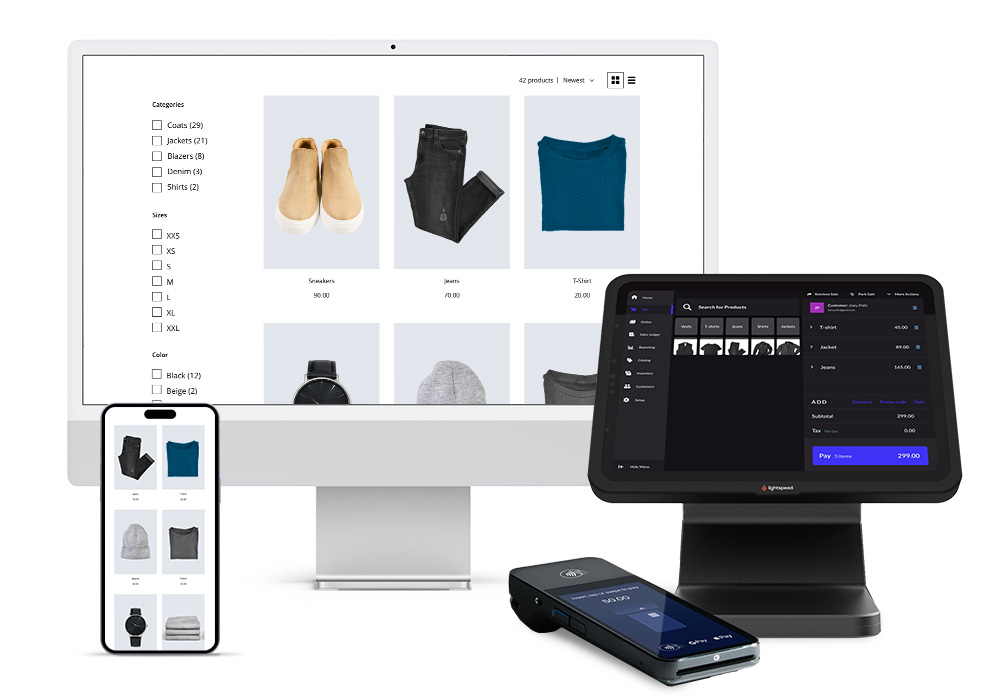
Modern software not only records sales, it also helps keep the entire business synchronized . For example, a point-of-sale (POS) system allows you to automatically record each sale, reducing available stock in real time and preventing manual errors.
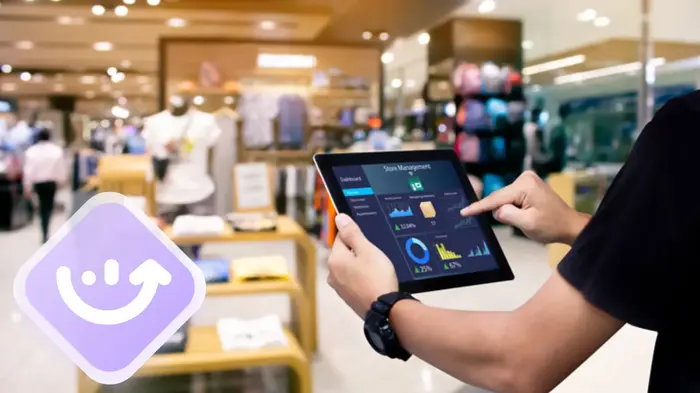
In addition, many platforms allow for the generation of instant reports on best-selling products, consumer trends, and items that need restocking. Even from a cell phone or tablet, the convenience store owner can monitor inventory without being physically present in the store.
3. Free tools and how to take advantage of them naturally
Instead of using lists, we can integrate the tools as part of a convenience store owner’s story:
-
inFlow Inventory Free is ideal for easily registering and controlling products. Juan, the owner of a mini-market, uses it to monitor which items sell quickly and which remain in stock longer. This allows him to plan his purchases without waste or stockouts.
-
Square POS Free has become your ally at the checkout. Every sale is automatically recorded and stock is updated instantly, preventing common errors and reducing customer wait times. In addition, Square allows you to accept card or digital payments, streamlining transactions.
-
Zoho Inventory Free helps Juan manage orders with suppliers. Although it has limited features, it allows him to start organizing purchases and coordinating deliveries, ensuring he always has key products available.
-
Even Google Sheets can be useful if set up correctly. Juan uses spreadsheets with formulas and alerts that notify him when a product reaches its minimum stock level. This option works especially well if the business is still small and needs something flexible and free.
4. Practical strategies for keeping everything in order
Beyond choosing software, efficiency depends on daily habits:
-
Immediate registration: every product entry or exit is updated instantly in the system.
-
Physical organization: assigning shelves by categories (drinks, snacks, fresh produce) and linking them to the software allows for quick product location.
-
Periodic review: weekly audits help validate the software information with the physical reality of the inventory.
-
Data analysis: reports allow you to identify best-selling products, plan promotions, and anticipate stock needs.
-
Staff training: teaching the team how to use the software correctly prevents errors and improves efficiency.
5. How to intelligently optimize sales and stock
Using modern software also allows for strategic decision-making:
-
Identify slow-moving products and create promotions or discounts to encourage sales.
-
Manage perishable products with expiration alerts, avoiding financial losses.
-
Configure automatic replenishment for critical items, ensuring constant availability.
In this way, the minimarket operates smoothly, avoiding interruptions and waste of resources.
6. Integration with digital channels
If the minimarket also sells online, integrating the software with the online store ensures that:
-
The inventory is automatically updated on both channels.
-
Customers can see products available in real time.
-
Errors and returns due to lack of stock will be reduced.
This improves the customer experience and allows you to compete in the digital market without losing physical control of the inventory.
7. Benefits of implementing modern software
-
Fewer errors in sales and stock control.
-
Faster and more organized customer service.
-
Improved purchasing planning and financial control.
-
Ability to monitor the business from anywhere.
-
Solid foundation for organized and professional growth.
Even small minimarkets can operate with professional efficiency using these tools and strategies.
Running a convenience store smoothly doesn’t require expensive or complicated solutions. With modern software seamlessly integrated into daily operations, consistent practices, and trained staff, any convenience store can:
-
Maintain accurate and up-to-date inventory.
-
Reduce errors and losses.
-
Improve the customer experience.
-
Make smart decisions based on real data.
The secret lies in combining technology, organization, and daily discipline , ensuring that the minimarket operates smoothly and with sustainable growth.