In the dynamic world of retail in 2026, the difference between a store that merely survives and one that dominates the market lies in its technological infrastructure. Having a good product is no longer enough; the key is how you manage information, processes, and the customer experience.

Implementing the right systems isn’t an expense; it’s an investment in scalability. Below, we analyze the systemic pillars that will transform any retail operation.
1. Next Generation Point of Sale (POS) System
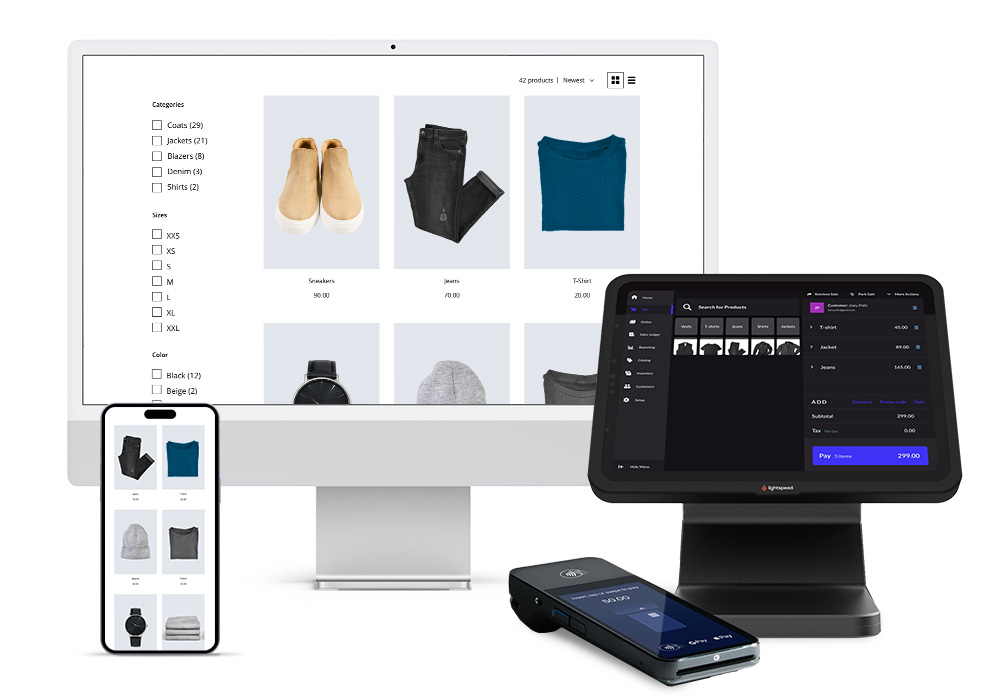
The POS is no longer just a cash register; it’s the brain of the physical store. A modern system must be omnichannel , unifying online and offline sales in a single database.
Key benefits:
-
Real-time synchronization: If you sell the last pair of shoes in the store, your website should reflect that instantly.
-
Mobility: The use of tablets or mobile devices allows employees to close sales anywhere in the aisle, eliminating lines.
-
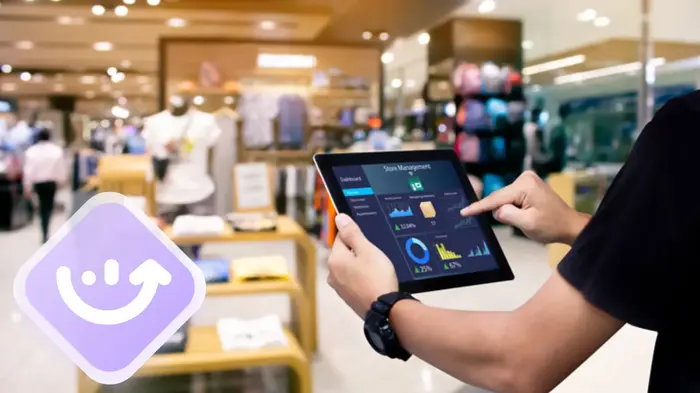
Sales analytics: Detailed reports on which products sell best and at what times.
2. Automated Inventory Management (IMS)
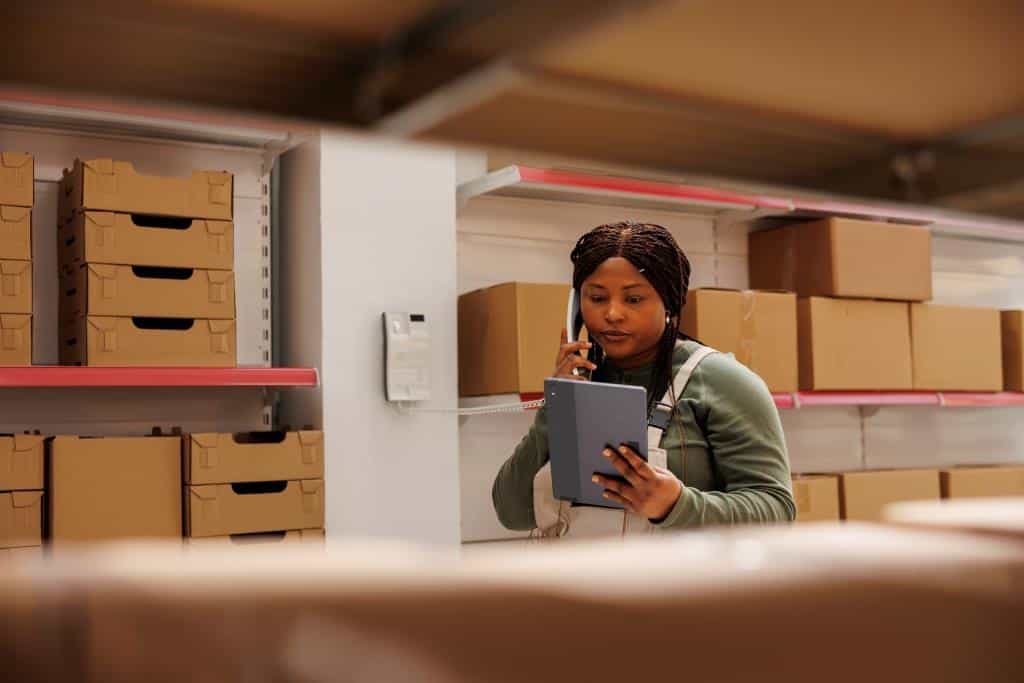
The most costly mistake in retail is a stockout or, conversely, excess inventory tied up in inventory. An advanced Inventory Management System (IMS) uses algorithms to predict demand.
Essential elements:
-
Replenishment alerts: Automatic notifications when an item reaches its critical level.
-
RFID tracking: Much faster than traditional barcodes, allowing inventory counts in minutes instead of days.
-
Multi-location management: If you have three stores and a warehouse, the system should tell you exactly where each unit is.
3. CRM Customer Relationship Management
Selling to a new customer is five times more expensive than retaining an existing one. A robust CRM (Customer Relationship Management) system allows you to personalize your offer.
Implementation strategies:
-
Loyalty programs: Reward your repeat customers automatically.
-
Segmentation: Send emails with “running” offers only to those who have purchased running shoes.
-
Purchase history: Allows your salespeople to know the customer’s tastes as soon as they walk through the door.
4. Supply Chain Management (SCM) Systems
In a globalized world, supplier delays can ruin a season. A Supply Chain Management system gives you visibility into the journey of your products from the factory to your shelf.
Note: Transparency in the supply chain not only improves logistics, but is also a demand of modern consumers who seek ethics and sustainability.
5. Integrated E-commerce Platform
Even local stores need a digital presence. The key here is vertical integration . Your e-commerce platform can’t be an island; it must draw from the same inventory and customer database as your physical store.
Required characteristics:
-
Click & Collect: Buy online and pick up in store (a massive driver of physical traffic).
-
Mobile optimization: More than 70% of online purchases are initiated on a smartphone.
-
Various payment gateways: From credit cards to cryptocurrencies and “Buy Now, Pay Later” solutions.
6. Workforce Management Systems (WFM)
Having too many employees during off-peak hours is a waste of money; having too few during peak hours means lost sales. Workforce management systems help optimize schedules.
-
Traffic forecasting: Use historical data to predict when you’ll need more staff.
-
Self-management: Allows employees to view their shifts and request changes from an app.
7. Business Intelligence (BI) and Data Analytics
Data is the new oil. A BI system gathers information from all the above points to give you a comprehensive view of your business’s health.
What should you measure?
| Key Performance Indicator (KPI) | Description |
| Conversion Rate | Percentage of visitors who make a purchase. |
| Average Ticket | The average value of each transaction. |
| Gross Margin | The actual profit after product costs. |
| Churn Rate | Customer churn rate. |
8. Security and Loss Prevention
Technology also protects your assets. Modern video surveillance systems with Artificial Intelligence can detect suspicious behavior or identify hotspots (where people spend more time) to optimize store layout.
9. Accounting and Finance Systems
Automating accounting reduces human error and ensures tax compliance. A system that integrates with your POS will simplify daily bank reconciliation and month-end closing.
10. Marketing Automation
You can’t send manual messages to each customer. Automation systems allow you to:
-
Abandoned shopping carts: Send an automatic reminder if someone left products on the website.
-
Birthday campaigns: An automatic coupon in the customer’s special month.
-
After-sales service: Request a review 7 days after purchase.
The biggest mistake retailers make is buying these systems separately without them communicating with each other. The real magic happens when an ERP (Enterprise Resource Planning) system connects all the pieces.
Digitization does not eliminate the human touch in retail; on the contrary, it frees your team from tedious administrative tasks so they can focus on what matters most: serving the customer.